Descripción del Producto
Tractor Rotary Mowers Bevel Fertilizer Spreader Tillers Right Angle Pto Shaft Reducer Gearbox for Farm and Agricultural Machinery
Established in Nov.2002,HangZhou CHINAMFG is a professional manufacturer and supplier in supplying spare parts and accessories for agricultural machinery. In addition to the 3000 standards parts, we also offer our customers tailor-made articles or assemblies that are for special application.
HangZhou CHINAMFG focused on the development and production of gearboxes with a professional team and continue to learn advanced technology; the use of first-class equipment; high quality supply chain system, relying on these, the gearboxes get high reputation among customers at home and abroad.
These gearboxes are widely used in rotary tillers, lawn mowers, harvesters, hole diggers, pesticide sprayers, irrigation machines, fertilizer spreaders, blenders and so on. The main products are:
–Straight bevel gearbox
–Spiral bevel gearbox
–Planetary reducer
–Worm gearbox
HangZhou CHINAMFG International Trading Co.,Ltd is a modern enterprise specilizing in the development, production, sales and services of PTO shaft. We adhere to the principle of “Precise Driveline, Advocate Green”, using advanced technology and equipments to ensure all the technical standards of precise driveline. So that the transmission efficiency can be maxmized and every drop of resource of customers’ can be saved. Meanwhile, we have a customer-centric service system, providing a full range of pre-sale, sale and after-sale service. Customer satisfaction is our forever pursuit.
Seguimos el principio de las personas primero, haciendo nuestro mejor esfuerzo para crear un entorno agradable y una plataforma de desempeño para cada empleado, para que todos puedan ser conscientemente activos para unirse a “Precise Driveline, Adocate Green” para encarnar la autoestima, el valor empresarial y el valor social.
El objetivo de Newnuro es: reducir el presupuesto de compra del cliente y ayudarlo a ganar más mercado.
CHINAMFG always finds solution for customers.Customer satisfaction is our ultimate goal and forever pursuit.
/* 22 de enero de 2571 19:08:37 */!function(){function s(e,r){var a,o={};try{e&&e.split(“”,).forEach(function(e,t){e&&(a=e.match(/(.*?):(.*)$/))&&1
| Solicitud: | Machinery, Agricultural Machinery |
|---|---|
| Función: | Distribution Power, Change Drive Torque, Change Drive Direction, Speed Changing, Speed Reduction, Speed Increase |
| Disposición: | Assembled |
| Dureza: | Superficie del diente endurecida |
| Instalación: | Horizontal Type |
| Paso: | Un solo paso |
| Muestras: |
US$ 50/Pieza
1 pieza (pedido mínimo) | |
|---|
| Personalización: |
Disponible
| Solicitud personalizada |
|---|
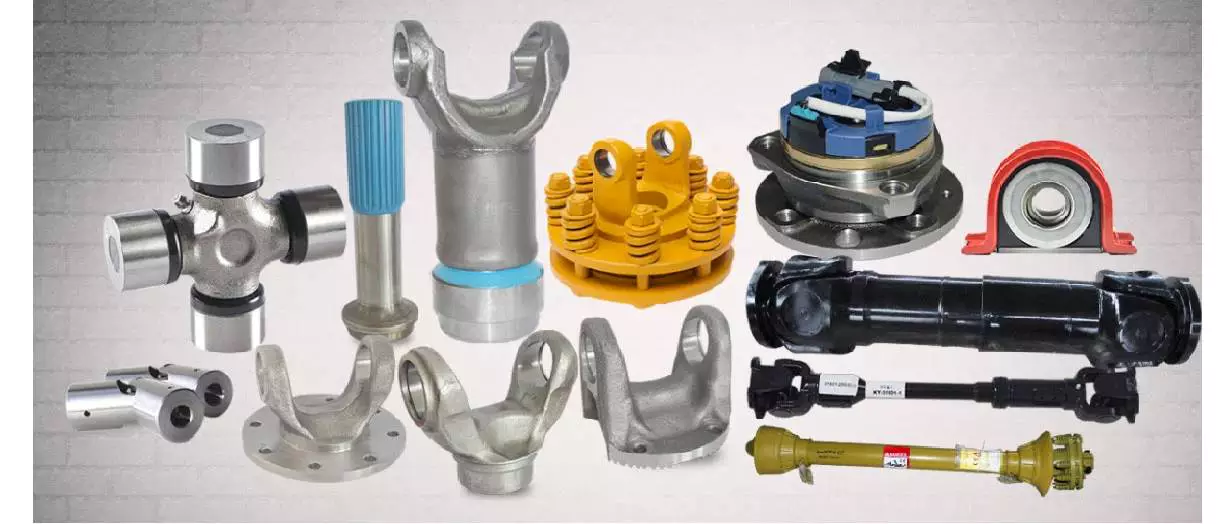
Can tractor PTO shafts be customized for specific implement or machinery requirements?
Yes, tractor power take-off (PTO) shafts can be customized to meet specific implement or machinery requirements. Customization allows for the optimal integration of PTO shafts with different agricultural implements and machinery. Here’s a detailed explanation:
1. Length and Size: PTO shafts can be customized in terms of length and size to suit specific requirements. Different implements or machinery may have varying distance requirements between the tractor’s PTO output and the input shaft of the implement. Customizing the length ensures proper alignment and a secure connection. Additionally, the size of the PTO shaft, such as the diameter, can be adjusted to match the power and torque requirements of the implement.
2. Attachment Methods: PTO shafts can be customized to accommodate different attachment methods required by specific implements. The attachment method refers to how the PTO shaft connects to the implement’s input shaft. Common attachment methods include a shear pin, a quick-release collar, or a splined connection. Customization allows manufacturers to provide the appropriate attachment method based on the implement’s design and requirements.
3. Shaft Configurations: PTO shafts can have different configurations to suit specific implement or machinery designs. For example, some implements may require a straight shaft, while others may need a telescopic or sliding shaft to accommodate variable distance requirements during operation. Customizing the shaft configuration ensures a proper fit and allows for smooth operation without compromising safety.
4. Protection and Shielding: Customization of PTO shafts can include additional protection and shielding features. Agricultural tasks often involve debris and potential hazards that can damage the PTO shaft. Manufacturers can customize the shaft by adding protective guards, such as metal or polymer shields, to prevent entanglement or contact with external objects. This customization enhances safety and prolongs the lifespan of the PTO shaft.
5. Specific Industry Standards: Some industries or applications may have specific standards or regulations for PTO shafts. Manufacturers can customize PTO shafts to meet these specific industry requirements, ensuring compliance with safety standards and compatibility with machinery used in those industries.
It’s important to note that the customization of PTO shafts is typically carried out by the manufacturers or specialized suppliers. They have the expertise and knowledge to design and manufacture customized PTO shafts that meet the required specifications and standards.
In summary, tractor PTO shafts can be customized to accommodate specific implement or machinery requirements. Customization options include adjusting the length and size, adapting attachment methods, configuring the shaft design, adding protection and shielding, and meeting specific industry standards. Customized PTO shafts ensure optimal integration and performance, enhancing the overall efficiency and safety of agricultural operations.
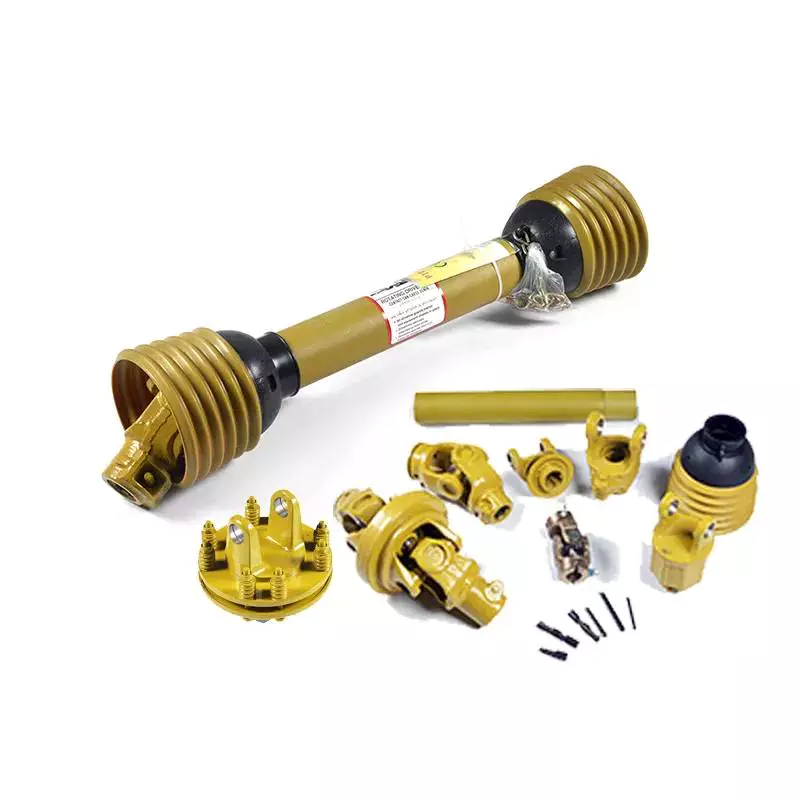
¿Qué prácticas de mantenimiento son esenciales para prolongar la vida útil de los ejes de la toma de fuerza del tractor?
Un mantenimiento adecuado es esencial para prolongar la vida útil y garantizar el funcionamiento fiable de los ejes de la toma de fuerza del tractor. Siguiendo estas prácticas de mantenimiento, podrá maximizar la durabilidad y la funcionalidad de su eje de toma de fuerza:
- Lubricación regular: La lubricación es fundamental para reducir la fricción y el desgaste en los ejes de la toma de fuerza (TDF). Siga las recomendaciones del fabricante sobre el tipo de lubricante y la frecuencia de lubricación. Aplique lubricante a los componentes móviles del eje de la TDF, como las juntas universales y las estrías. La lubricación regular ayuda a prevenir la corrosión, reduce la generación de calor y garantiza un funcionamiento suave.
- Inspección y limpieza: Inspeccione periódicamente el eje de la toma de fuerza (TDF) para detectar cualquier signo de daño, desgaste o desalineación. Busque componentes desgastados o dañados, conexiones sueltas o ejes doblados. Limpie el eje de la TDF para eliminar la suciedad, los residuos y cualquier acumulación que pueda afectar su funcionamiento. Utilice un cepillo o paño suave para limpiar el eje a fondo.
- Compruebe los escudos y protecciones de seguridad: Inspeccione las protecciones y cubiertas de seguridad que cubren los componentes giratorios del eje de la toma de fuerza. Asegúrese de que estén bien colocadas y libres de grietas, roturas o piezas faltantes. Las protecciones dañadas o faltantes deben reemplazarse de inmediato para garantizar la seguridad del operador.
- Verifique los dispositivos limitadores de par: Si el eje de la toma de fuerza incorpora dispositivos limitadores de par, como pasadores de seguridad o embragues deslizantes, compruebe su funcionamiento periódicamente. Inspeccione los pasadores de seguridad para detectar signos de daño o desgaste y sustitúyalos según sea necesario. Pruebe los embragues deslizantes para asegurarse de que se acoplan y desacoplan correctamente. Estos dispositivos son fundamentales para proteger el eje de la toma de fuerza y el equipo contra un par excesivo, por lo que deben estar en buen estado de funcionamiento.
- Inspeccione las juntas universales: Las juntas universales son componentes esenciales en los ejes de la toma de fuerza (TDF). Inspecciónelas para detectar cualquier signo de desgaste, como cojinetes flojos o desgastados, juego excesivo u óxido. Reemplace de inmediato cualquier junta universal dañada o desgastada para evitar daños mayores al eje de la TDF.
- Asegúrese de que la alineación sea correcta: La desalineación puede provocar vibraciones, mayor desgaste y menor eficiencia en la transmisión de potencia. Verifique la alineación entre el eje de salida de la toma de fuerza del tractor y el eje de entrada del implemento. Asegúrese de que el eje de la toma de fuerza esté correctamente alineado y acoplado. Ajuste la longitud o la posición del eje de la toma de fuerza si es necesario para mantener la alineación correcta.
- Siga las recomendaciones del fabricante: Consulte siempre las instrucciones del fabricante para conocer los intervalos y procedimientos de mantenimiento específicos. Estas instrucciones proporcionan información valiosa sobre la lubricación, la inspección, el ajuste y la sustitución del eje de la toma de fuerza (TDF) de su tractor. Seguir estas recomendaciones le ayudará a garantizar el correcto mantenimiento del eje de la TDF de su tractor.
Al implementar estas prácticas de mantenimiento, puede prolongar significativamente la vida útil del eje de la toma de fuerza de su tractor. La lubricación, inspección y limpieza periódicas, la revisión de las protecciones de seguridad, la verificación de los dispositivos limitadores de par, la inspección de las juntas universales, el aseguramiento de una alineación correcta y el cumplimiento de las recomendaciones del fabricante son pasos fundamentales para mantener el eje de la toma de fuerza en óptimas condiciones y maximizar su durabilidad.
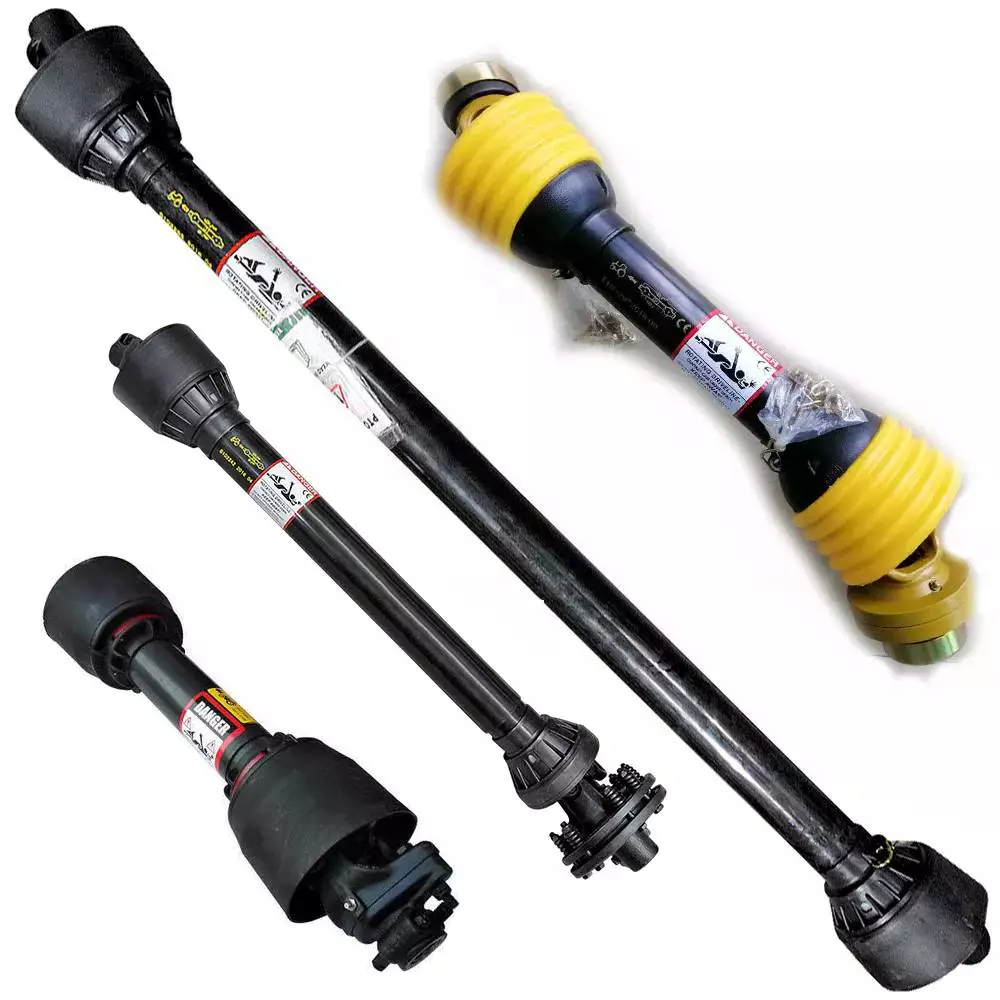
Which Types of Implements and Equipment Commonly Utilize Tractor PTO Shafts?
Tractor power take-off (PTO) shafts are widely used in conjunction with various implements and equipment in agricultural operations. These implements and equipment are designed to be powered by the rotational motion transmitted through the PTO shaft. Here are some of the commonly used types of implements and equipment that utilize tractor PTO shafts:
1. Rotary Mowers:
Rotary mowers are frequently powered by tractor PTO shafts. These mowers are used for cutting grass, weeds, and vegetation in agricultural fields, pastures, lawns, and roadside areas. The PTO shaft drives the rotary blades of the mower, enabling efficient cutting and maintenance of vegetation over large areas.
2. Tillers:
Tillers, also known as rototillers or cultivators, are implements commonly used in soil preparation. They are attached to the tractor’s PTO shaft and driven by its rotational motion. The PTO-driven tiller features rotating tines or blades that break up and aerate the soil, preparing it for planting or seeding.
3. Balers:
Balers are essential equipment in hay and forage production. They are used to gather and compress cut vegetation, such as hay or straw, into compact bales for storage or transportation. The PTO shaft powers the baler’s mechanisms, including the pickup, bale formation, and wrapping mechanisms, ensuring efficient baling operations.
4. Spreaders:
Spreaders, such as fertilizer spreaders or manure spreaders, are commonly used in agriculture to evenly distribute materials over a field. These implements are connected to the tractor’s PTO shaft, which drives the spreading mechanism. The rotational motion from the PTO shaft ensures the proper distribution of fertilizers, seeds, or other granular materials across the field.
5. Seeders and Planters:
Seeders and planters are implements used for sowing seeds and planting crops. They utilize the tractor’s PTO shaft to power the seed metering and planting mechanisms. The PTO-driven seeder or planter ensures accurate seed placement and spacing, facilitating efficient crop establishment and uniform plant growth.
6. Irrigation Pumps:
Irrigation pumps play a crucial role in agricultural irrigation systems. They are often connected to the tractor’s PTO shaft to provide the necessary power for pumping water from a water source, such as a well or reservoir, to irrigate fields or crops. The PTO-driven pump ensures a reliable and efficient water supply for irrigation purposes.
7. Wood Chippers:
Wood chippers are used to process tree branches, logs, and other woody materials into wood chips or mulch. Tractor PTO shafts power the chipping mechanism, which involves feeding the wood into rotating blades that chip the material into smaller pieces. PTO-driven wood chippers are commonly used in forestry operations, landscaping, and biomass production.
8. Post Hole Diggers:
Post hole diggers are implements used for digging holes in the ground, typically for installing fence posts or planting trees. The PTO shaft provides the rotational power required to operate the digging auger. The auger is driven into the ground, creating a hole of the desired diameter and depth.
9. Hay Rakes and Tedders:
Hay rakes and tedders are implements used in haymaking operations. They are connected to the tractor’s PTO shaft to power the rotating rake or tedder mechanisms. These implements help fluff, spread, and turn the cut hay, ensuring proper drying and curing before baling.
10. Grain Harvesters:
Grain harvesters, such as combine harvesters or forage harvesters, are large machines used for harvesting grain crops or forage crops. Tractor PTO shafts are utilized to power various components of the harvester, including the cutting head, threshing mechanism, and grain or forage collection systems. The PTO-driven harvesters streamline the harvesting process and improve efficiency.
These are just a few examples of the many implements and equipment that commonly utilize tractor PTO shafts. The versatility of PTO shafts allows for the efficient powering of a wide range of agricultural machinery, contributing to the productivity and effectiveness of farming operations.


editor by CX 2024-05-15