Descripción del Producto
Eje de transmisión de la toma de fuerza del tractor, transmisión de fábrica, estrías huecas, adaptador de cardán, junta universal, horquilla, hélice delantera flexible, eje CV trasero, hélice, eje de transmisión del automóvil
Descripción del Producto
Dirección con junta universal para camiones agrícolas
Eje de toma de fuerza
| Función del eje de la toma de fuerza | Piezas del eje de transmisión y transmisión de potencia |
| Uso del eje de toma de fuerza | Tipos de tractores e implementos agrícolas |
| Tipos de horquilla para eje de toma de fuerza | Pasador de doble empuje, Pasadores de perno, Pasadores partidos, Pasador de empuje, Liberación rápida, Fijación de bola, Collar….. |
| Procesamiento del yugo | Forja |
| Cubierta de plástico del eje de la toma de fuerza | YW; BW; YS; BS; Etc |
| Colores del eje de la toma de fuerza | Verde; Naranja; Amarillo; Negro, etc. |
| Serie de ejes de toma de fuerza | T1-T10; L1-L6; S6-S10; 10HP-150HP con SA, RA, SB, SFF, WA, CV, etc. |
| Tipos de tubos para eje de toma de fuerza | Limón, Triangular, Estrella, Cuadrado, Hexagonal, Spline, Especial, etc. |
| Procesamiento de tubos | estirado en frío |
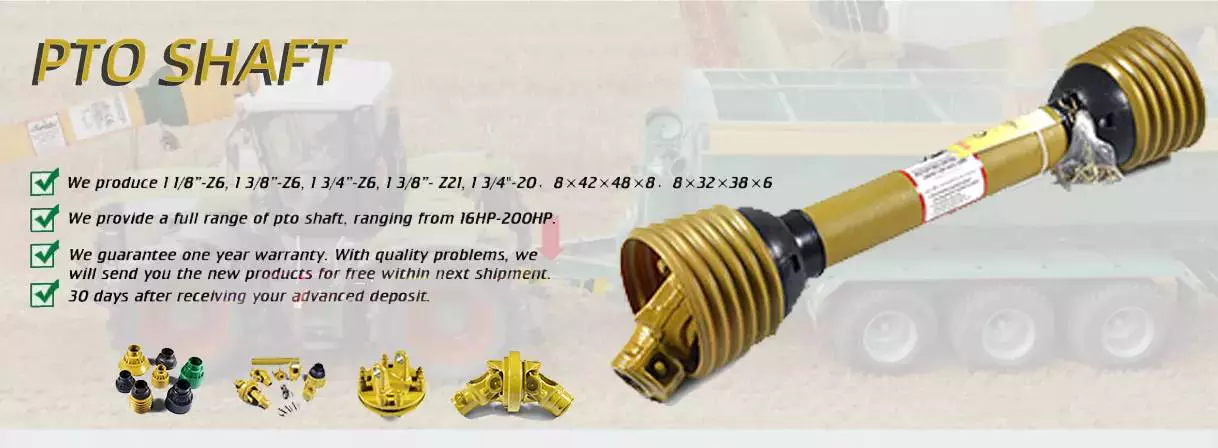
| Tipos de estrías para el eje de la toma de fuerza | 1 1/8″ Z6;1 3/8″ Z6; 1 3/8″ Z21;1 3/4″ Z20; 1 3/4″ Z6; 8-38*32*6 8-42*36*7; 8-48*42*8; |
También vendemos accesorios para el eje de la toma de fuerza, entre los que se incluyen:
Yugo: Yugo de enchufe CV, yugo de soldadura CV, yugo de brida, yugo de extremo, yugo de soldadura, yugo deslizante
Carcasa central de la junta homocinética, tubo, estrías, brida del casquillo de la junta homocinética, junta universal, tapa antipolvo
Línea de transmisión de vehículos ligeros
Nuestros productos se pueden utilizar para ejes de transmisión de las siguientes marcas.
Toyota, Mitsubishi, Nissan, Isu zu, Suzuki, Dafa, Honda, Hyundai, Mazda, Fiat, Renault, Kia, Dacia, Ford. Dodge, Land Rover, Peu geot, Volkswagen Audi, BMW Benz Volvo, modelos rusos
eje de engranajes
Perfil de la empresa
Productos relacionados
Solicitud:
Información de la empresa:
| Material: | Acero carbono |
|---|---|
| Carga: | Eje de transmisión |
| Rigidez y flexibilidad: | Rigidez / Eje rígido |
| Precisión dimensional del diámetro del diario: | IT6-IT9 |
| Forma del eje: | Eje recto |
| Forma del eje: | Eje real |
| Muestras: |
US$ 38/pieza
1 pieza (pedido mínimo) | |
|---|
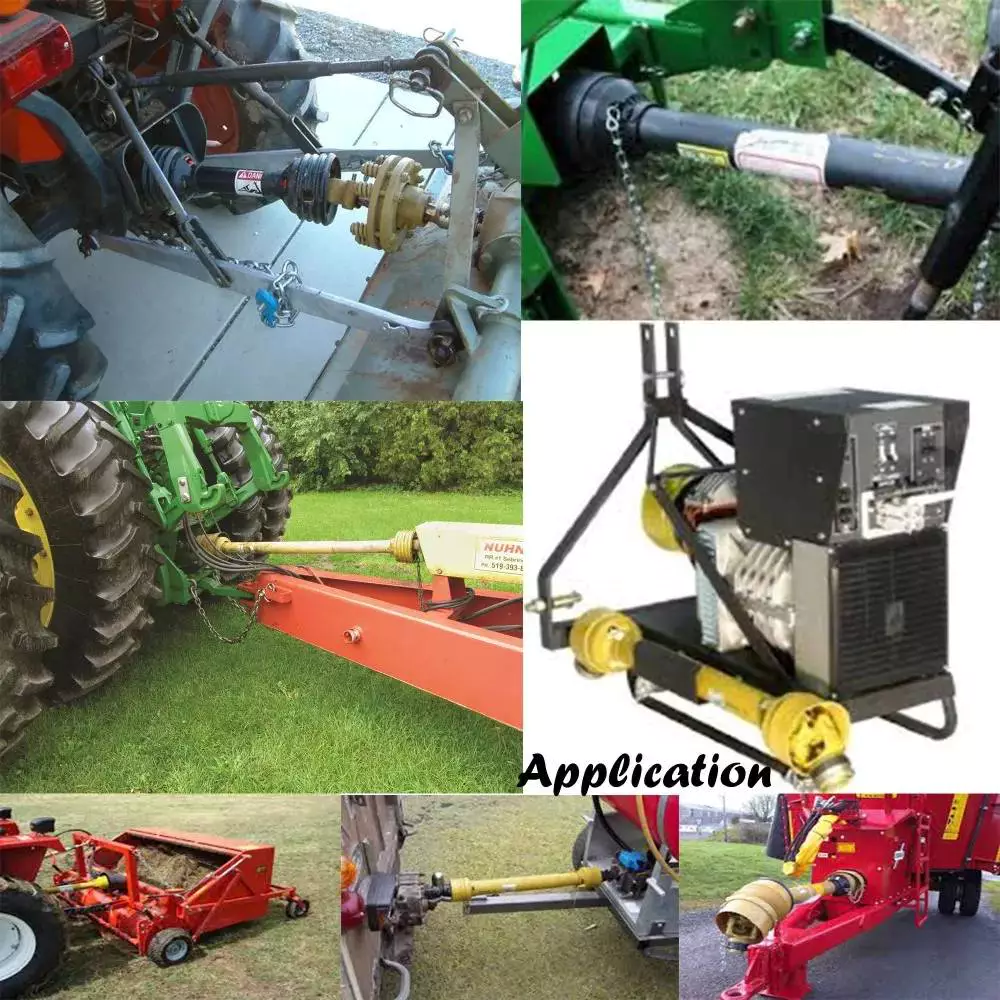
¿Podría proporcionar ejemplos reales de maquinaria agrícola que dependa de los ejes de toma de fuerza de los tractores?
Los ejes de toma de fuerza (TDF) de los tractores se utilizan para accionar una amplia gama de maquinaria e implementos agrícolas. Proporcionan un método versátil y eficiente para transmitir potencia del tractor a diversos equipos agrícolas. A continuación, se presentan algunos ejemplos reales de maquinaria agrícola que utiliza ejes de TDF de tractor:
1. Cortacéspedes rotativos: Las segadoras rotativas, comúnmente utilizadas para cortar césped, maleza y vegetación, suelen depender de la toma de fuerza (TDF) para su funcionamiento. La TDF conecta la segadora al tractor, permitiendo que las cuchillas giren y realicen el corte.
2. Empacadoras: Las empacadoras se utilizan para comprimir y empacar heno, paja u otros cultivos forrajeros en fardos compactos para su almacenamiento o transporte. Las empacadoras accionadas por la toma de fuerza (TDF) utilizan el eje de la TDF del tractor para accionar el mecanismo de empacado, que incluye el recogedor, el sistema de alimentación y los componentes para la formación de la paca.
3. Rastrillos para heno: Los rastrillos para heno se utilizan para recoger y ordenar el heno en hileras o filas para su secado. Los rastrillos accionados por la toma de fuerza (TDF) utilizan el eje de la TDF del tractor para accionar las púas giratorias del rastrillo, que levantan y ordenan el heno en hileras ordenadas.
4. Picadoras de ensilaje: Las picadoras de ensilaje se utilizan para picar y procesar el ensilaje, que es alimento para animales fermentado y almacenado. Las picadoras de ensilaje accionadas por la toma de fuerza (TDF) del tractor utilizan el eje de la TDF para accionar el mecanismo de corte, que normalmente consiste en cuchillas giratorias.
5. Sembradoras y plantadoras: Las sembradoras y plantadoras se utilizan para sembrar semillas y plantar cultivos en suelo preparado. Las sembradoras y plantadoras accionadas por la toma de fuerza (TDF) utilizan el eje de la TDF del tractor para accionar el mecanismo de dosificación y distribución de semillas, lo que garantiza una colocación y espaciamiento precisos de las mismas.
6. Esparcidoras de fertilizantes: Las esparcidoras de fertilizantes se utilizan para distribuir uniformemente fertilizantes, cal u otros mejoradores del suelo en los campos. Las esparcidoras de fertilizantes accionadas por la toma de fuerza (TDF) del tractor utilizan el eje de la TDF para accionar el mecanismo de esparcimiento, que puede incluir discos giratorios o sinfines.
7. Esparcidoras de estiércol: Las esparcidoras de estiércol se utilizan para distribuir uniformemente el estiércol animal o el compost en los campos como fertilizante orgánico. Las esparcidoras de estiércol accionadas por la toma de fuerza (TDF) del tractor utilizan el eje de la TDF para accionar los mecanismos que agitan y distribuyen el estiércol durante su aplicación.
8. Excavadoras de hoyos para postes: Las ahoyadoras se utilizan para cavar agujeros para postes de cercas, plantar árboles u otras aplicaciones. Estas ahoyadoras, accionadas por la toma de fuerza del tractor, utilizan el eje de la toma de fuerza para impulsar la broca que perfora el suelo y extrae la tierra.
9. Cultivadoras rotativas: Las fresadoras rotativas, también conocidas como cultivadoras o rotocultivadoras, se utilizan para preparar el suelo para la siembra, rompiéndolo y mezclándolo. Las fresadoras rotativas accionadas por la toma de fuerza (TDF) utilizan el eje de la TDF del tractor para accionar las cuchillas giratorias que labran el suelo.
10. Hileradoras de heno: Las henificadoras se utilizan para esparcir y airear el heno, acelerando así su secado. Las henificadoras accionadas por la toma de fuerza (TDF) del tractor utilizan el eje de la TDF para accionar las púas o paletas giratorias que levantan y esparcen el heno.
Estos son solo algunos ejemplos de maquinaria agrícola que utiliza la toma de fuerza del tractor. Los equipos accionados por la toma de fuerza se utilizan ampliamente en la agricultura para mejorar la eficiencia, la productividad y la versatilidad en diversas labores agrícolas.
¿Cómo garantizan los fabricantes la compatibilidad y la calidad de los ejes de toma de fuerza del tractor?
Los fabricantes emplean diversas medidas para garantizar la compatibilidad y la calidad de los ejes de toma de fuerza de los tractores. Estas medidas incluyen:
1. Diseño e Ingeniería: Los fabricantes invierten un esfuerzo considerable en el diseño y la ingeniería de ejes de toma de fuerza para que cumplan con los estándares y especificaciones de la industria. Consideran factores como los requisitos de potencia, la capacidad de par, la velocidad de rotación y los métodos de enganche. Mediante una exhaustiva investigación y desarrollo, los fabricantes buscan crear ejes de toma de fuerza compatibles con una amplia gama de tractores e implementos agrícolas.
2. Selección de materiales: Los materiales de alta calidad son cruciales para la durabilidad y el rendimiento de los ejes de toma de fuerza. Los fabricantes seleccionan cuidadosamente materiales que resistan las exigentes condiciones de funcionamiento de la maquinaria agrícola. Entre los materiales más comunes se incluyen aceros aleados de alta resistencia para ejes, cojinetes de precisión para juntas universales y polímeros duraderos para componentes de protección.
3. Control de calidad: Los fabricantes implementan rigurosos procesos de control de calidad para garantizar que cada cardán cumpla con los estándares requeridos. Esto implica inspecciones y pruebas exhaustivas en diversas etapas de la producción, incluyendo la inspección de materiales, la verificación dimensional y las pruebas de rendimiento. Las medidas de control de calidad ayudan a identificar y corregir cualquier defecto o desviación de las tolerancias especificadas.
4. Cumplimiento de normas: Los ejes de toma de fuerza para tractores se diseñan y fabrican para cumplir con las normas y regulaciones de la industria. Estas normas, como la ISO 500 y la ASABE S318, describen los requisitos para las dimensiones, las características de seguridad y el rendimiento de los ejes de toma de fuerza. Los fabricantes se aseguran de que sus ejes de toma de fuerza cumplan o superen estas normas para garantizar la compatibilidad y la seguridad.
5. Prueba de compatibilidad: Los fabricantes realizan pruebas de compatibilidad para verificar el rendimiento y la compatibilidad de sus cardanes con diversos tractores e implementos agrícolas. Estas pruebas implican evaluaciones rigurosas de factores como los métodos de enganche, la alineación, la eficiencia de la transmisión de potencia y las cargas dinámicas. Al probar sus cardanes con diferentes modelos y configuraciones de equipos, los fabricantes pueden identificar cualquier problema de compatibilidad y realizar los ajustes necesarios.
6. Soporte técnico y documentación: Los fabricantes ofrecen soporte técnico para ayudar a los clientes a seleccionar los ejes de toma de fuerza adecuados a sus necesidades específicas. Ofrecen documentación, como catálogos de productos, especificaciones técnicas y guías de instalación, para ayudar a los usuarios a comprender la compatibilidad y los procedimientos de instalación. Unas instrucciones claras y materiales de apoyo contribuyen a la correcta selección e instalación de los ejes de toma de fuerza.
Al implementar estas medidas, los fabricantes garantizan la compatibilidad y la calidad de los ejes de toma de fuerza para tractores. Un diseño robusto, una cuidadosa selección de materiales, un riguroso control de calidad, el cumplimiento de las normas, las pruebas de compatibilidad y un completo soporte técnico contribuyen al rendimiento fiable y la durabilidad de los ejes de toma de fuerza en aplicaciones agrícolas.
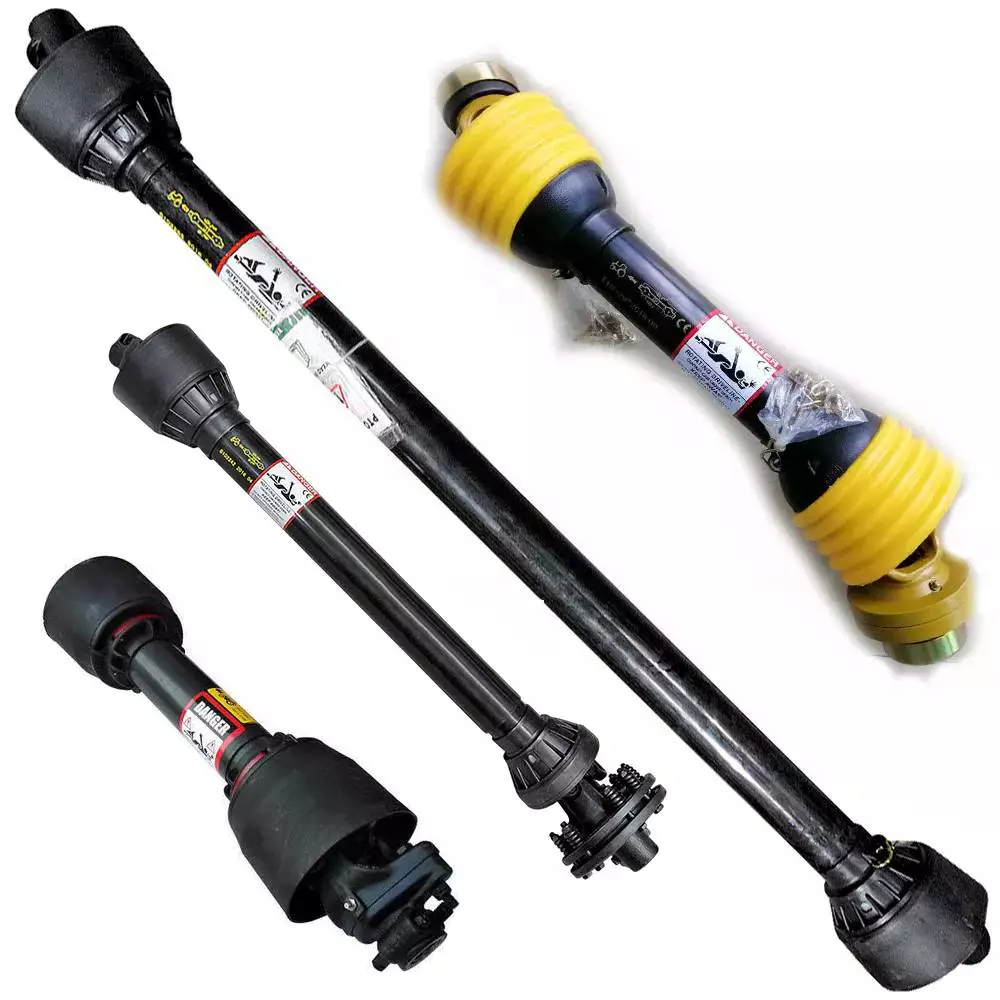
¿Qué tipos de implementos y equipos suelen utilizar los ejes de la toma de fuerza del tractor?
Los ejes de toma de fuerza (TDF) de los tractores se utilizan ampliamente con diversos implementos y equipos en las labores agrícolas. Estos implementos y equipos están diseñados para ser impulsados por el movimiento de rotación transmitido a través del eje de TDF. A continuación, se presentan algunos de los tipos de implementos y equipos más comunes que utilizan ejes de TDF de tractor:
1. Cortacéspedes rotativos:
Las segadoras rotativas suelen funcionar con la toma de fuerza del tractor. Se utilizan para cortar hierba, maleza y vegetación en campos agrícolas, pastos, jardines y arcenes. La toma de fuerza acciona las cuchillas giratorias, lo que permite un corte y mantenimiento eficiente de la vegetación en grandes extensiones.
2. Motocultores:
Las motoazadas, también conocidas como cultivadoras, son implementos comúnmente utilizados para la preparación del suelo. Se acoplan al eje de la toma de fuerza del tractor y se accionan mediante su movimiento rotatorio. La motoazada accionada por la toma de fuerza cuenta con púas o cuchillas giratorias que desmenuzan y airean el suelo, preparándolo para la siembra.
3. Empacadoras:
Las empacadoras son equipos esenciales en la producción de heno y forraje. Se utilizan para recoger y comprimir la vegetación cortada, como heno o paja, en pacas compactas para su almacenamiento o transporte. La toma de fuerza acciona los mecanismos de la empacadora, incluyendo el sistema de recogida, la formación de pacas y el sistema de envoltura, lo que garantiza un empacado eficiente.
4. Esparcidores:
Las esparcidoras, como las de fertilizantes o las de estiércol, se utilizan comúnmente en la agricultura para distribuir uniformemente los materiales en un campo. Estos implementos se conectan a la toma de fuerza del tractor, que acciona el mecanismo de esparcimiento. El movimiento de rotación de la toma de fuerza garantiza la correcta distribución de fertilizantes, semillas u otros materiales granulados en el campo.
5. Sembradoras y plantadoras:
Las sembradoras y plantadoras son implementos que se utilizan para sembrar semillas y plantar cultivos. Utilizan la toma de fuerza del tractor para accionar los mecanismos de dosificación y siembra. La sembradora o plantadora accionada por la toma de fuerza garantiza una colocación y espaciamiento precisos de las semillas, lo que facilita un establecimiento eficiente del cultivo y un crecimiento uniforme de las plantas.
6. Bombas de riego:
Las bombas de riego desempeñan un papel fundamental en los sistemas de irrigación agrícola. Suelen conectarse a la toma de fuerza del tractor para proporcionar la potencia necesaria para bombear agua desde una fuente, como un pozo o un embalse, y así irrigar campos o cultivos. La bomba accionada por la toma de fuerza garantiza un suministro de agua fiable y eficiente para el riego.
7. Trituradoras de madera:
Las trituradoras de madera se utilizan para procesar ramas, troncos y otros materiales leñosos, transformándolos en astillas o mantillo. La toma de fuerza del tractor acciona el mecanismo de trituración, que consiste en introducir la madera en cuchillas giratorias que la trituran en trozos más pequeños. Las trituradoras de madera accionadas por la toma de fuerza se utilizan habitualmente en operaciones forestales, paisajismo y producción de biomasa.
8. Excavadoras de hoyos para postes:
Las ahoyadoras son implementos que se utilizan para cavar agujeros en el suelo, generalmente para instalar postes de cercas o plantar árboles. El eje de la toma de fuerza (PTO) proporciona la potencia de rotación necesaria para accionar la barrena. Esta se introduce en el suelo, creando un agujero del diámetro y la profundidad deseados.
9. Rastrillos y henificadoras:
Los rastrillos y henificadores son implementos que se utilizan en las labores de henificación. Se conectan a la toma de fuerza del tractor para accionar los mecanismos giratorios del rastrillo o henificador. Estos implementos ayudan a esponjar, extender y voltear el heno cortado, asegurando un secado y curado adecuados antes del empacado.
10. Cosechadoras de grano:
Las cosechadoras de grano, como las cosechadoras combinadas o las cosechadoras de forraje, son máquinas de gran tamaño que se utilizan para cosechar cereales o forraje. La toma de fuerza del tractor se utiliza para accionar diversos componentes de la cosechadora, como el cabezal de corte, el mecanismo de trilla y los sistemas de recolección de grano o forraje. Las cosechadoras accionadas por la toma de fuerza agilizan el proceso de cosecha y mejoran la eficiencia.
Estos son solo algunos ejemplos de los numerosos implementos y equipos que suelen utilizar la toma de fuerza del tractor. La versatilidad de esta toma de fuerza permite accionar de forma eficiente una amplia gama de maquinaria agrícola, lo que contribuye a la productividad y eficacia de las labores agrícolas.


editor by CX 2023-11-14