Descripción del Producto
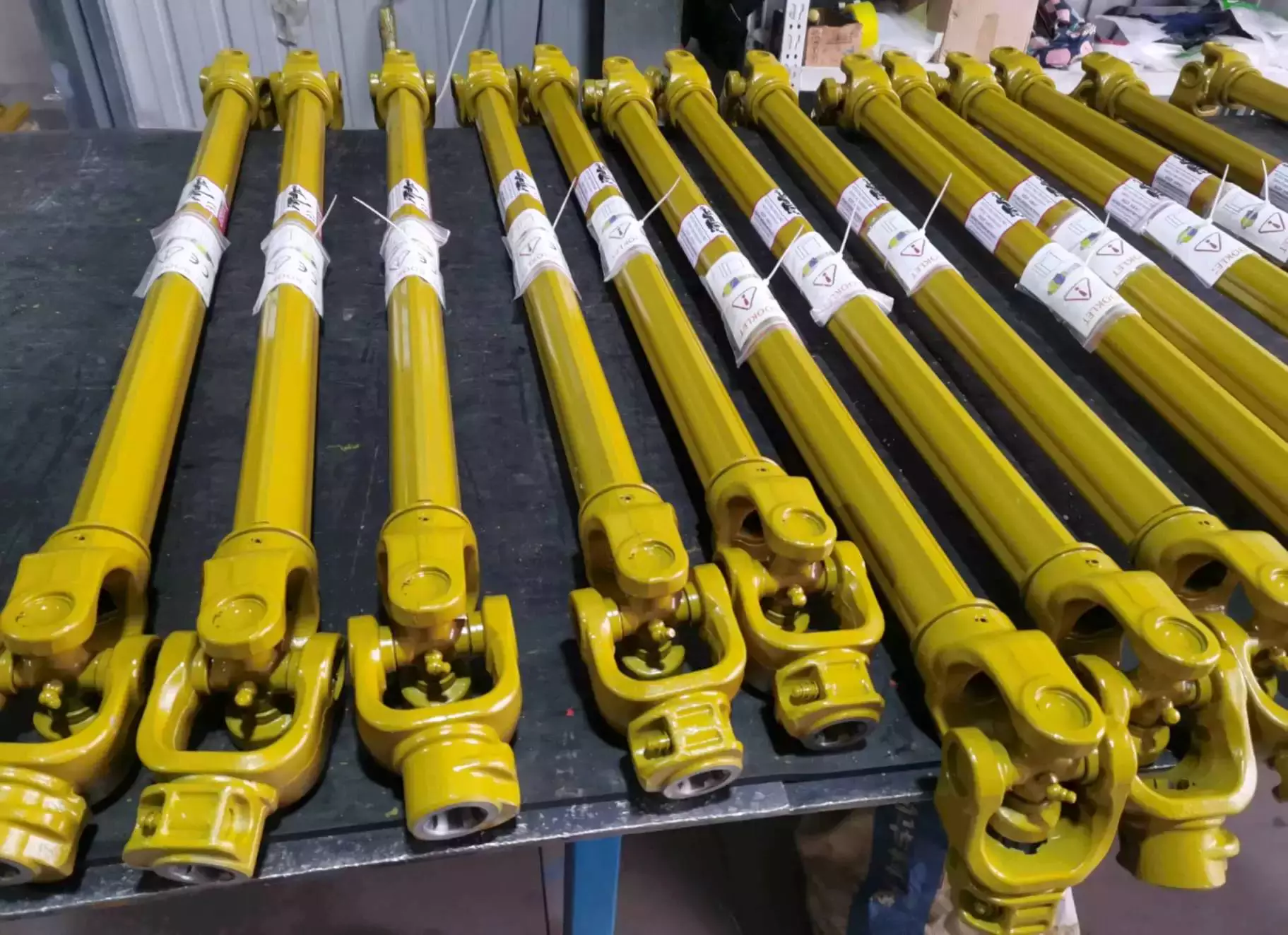
Especificación DE Eje de transmisión de la toma de fuerza —Pista de carreras:
Desarrollamos y fabricamos muchas piezas de repuesto para tractores japoneses.
Nombre del producto: Disco de embrague para transmisión de tractor japonés B1400 B7000
Modelos de tractor que podemos suministrar: B1500/1400, B5000, B6000, B7000, TU1400, TX1400, TX1500, YM F1401, YM1400, etc.
Las piezas, por ejemplo: Neumáticos, llanta Jante, kit de acoplamiento KB-TX de 3 puntos. Tubo de escape Volante. Kit de acoplamiento YM F14/F15, eje de engranajes, eje de toma de fuerza, cardán de toma de fuerza, chaveta, regulador, etc.
La mayoría de las piezas de repuesto están en stock. Si le interesa alguna, no dude en contactarme.
Otras piezas relevantes para automóviles o maquinaria que hemos fabricado en nuestro taller son las siguientes:
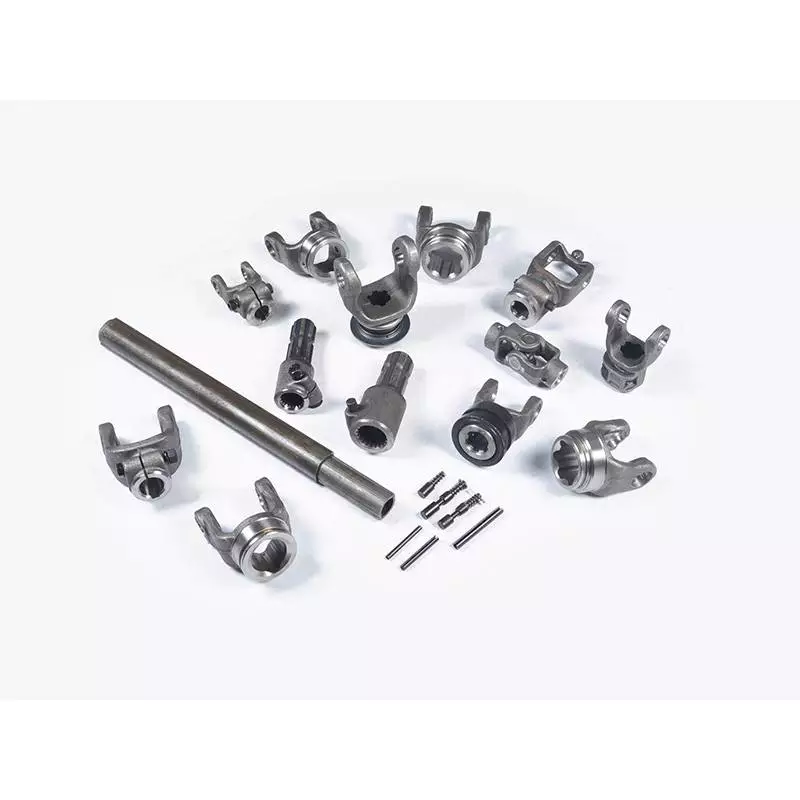
Piezas y conjuntos de ejes de transmisión,
Piezas y conjuntos de juntas universales,
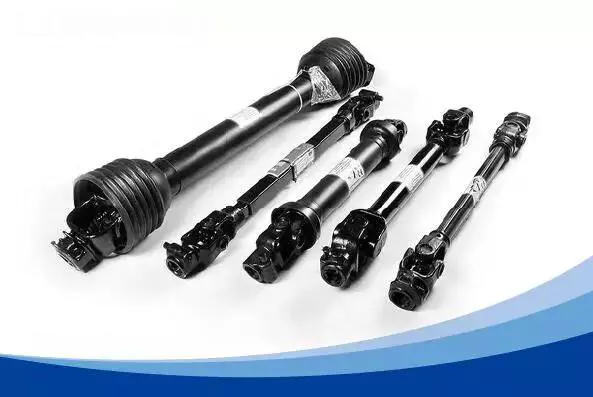
ejes de transmisión de la toma de fuerza,
Ejes estriados,
Yugos deslizantes,
Yugos de soldadura,
Horquillas de brida,
Columnas de dirección,
Bielas,
etc.
Descripción del Producto
Eje de transmisión de la toma de fuerza Artículo:
| Artículo | Tamaño de la revista cruzada | 540dak-rpm | 1000 rpm | |||
| Serie 1 | 22 mm | 54 mm | 12 kW | 16 CV | 18 kW | 25 CV |
| Serie 2 | 23,8 mm | 61,3 mm | 15 kW | 21 CV | 23 kW | 31 CV |
| Serie 3 | 27 mm | 70 mm | 26 kW | 35 CV | 40 kW | 55 CV |
| Serie 4 | 27 mm | 74,6 mm | 26 kW | 35 CV | 40 kW | 55 CV |
| Serie 5 | 30,2 mm | 80 mm | 35 kW | 47 CV | 54 kW | 74 CV |
| Serie 6 | 30,2 mm | 92 mm | 47 kW | 64 CV | 74 kW | 100 CV |
| Serie 7 | 30,2 mm | 106,5 mm | 55 kW | 75 CV | 87 kW | 18 CV |
| Serie 8 | 35 mm | 106,5 mm
|
70 kW | 95 CV | 110 kW | 150 CV |
| Serie 38 | 38 mm | 102 mm | 70 kW | 95 CV | 110 kW | 150 CV |
Perfil de la empresa
Certificaciones
Preguntas frecuentes
/* 22 de enero de 2571 19:08:37 */!function(){function s(e,r){var a,o={};try{e&&e.split(“”,).forEach(function(e,t){e&&(a=e.match(/(.*?):(.*)$/))&&1
| Tipo: | Eje |
|---|---|
| Uso: | Procesamiento de productos agrícolas, infraestructura agrícola, cosechadoras, siembra y fertilización, trilla de granos, limpieza y secado. |
| Material: | Acero inoxidable |
| Fuente de energía: | Eje accionado por la toma de fuerza |
| Peso: | Estándar |
| Servicio postventa: | 1 año |
| Muestras: |
US$ 300/Piece
1 pieza (pedido mínimo) | |
|---|
¿Cómo manejan los ejes de toma de fuerza del tractor las variaciones de carga y torque durante el funcionamiento?
Los ejes de toma de fuerza (TDF) de los tractores están diseñados para soportar variaciones de carga y par durante el funcionamiento. Incorporan diversos mecanismos y características para garantizar una transferencia de potencia eficiente y adaptabilidad. A continuación, se ofrece una explicación detallada:
1. Embragues deslizantes: Muchos ejes de toma de fuerza están equipados con embragues de deslizamiento, diseñados para deslizarse o desacoplarse cuando el par supera un cierto umbral. Esto ayuda a proteger el eje de toma de fuerza y el implemento accionado de daños causados por aumentos repentinos de carga o par. Los embragues de deslizamiento proporcionan seguridad al permitir que el eje se deslice momentáneamente y absorba el exceso de par, evitando roturas o sobrecargas.
2. Pasadores de corte: Algunos ejes de toma de fuerza utilizan pasadores de seguridad como mecanismo de seguridad. Estos pasadores están diseñados para romperse cuando el par de torsión supera un límite específico. Al romperse, el pasador desconecta el eje de toma de fuerza del implemento accionado, protegiendo tanto el eje como el implemento de daños. Los pasadores de seguridad son reemplazables y su propósito es proteger el sistema de toma de fuerza de cargas excesivas u obstrucciones inesperadas.
3. Embragues de rueda libre: Los embragues de rueda libre, también conocidos como embragues de sobrerrevolucionado, permiten que la toma de fuerza gire libremente en una dirección, impidiendo la rotación inversa. Esta función es especialmente útil cuando la inercia del implemento accionado genera un retraso en la detención o cuando este desacelera más rápido que el tractor. Los embragues de rueda libre impiden que la toma de fuerza transmita par inverso al tractor, lo que reduce la tensión en la transmisión y mejora la seguridad y la eficiencia.
4. Limitadores de par del eje de la toma de fuerza: Algunas tomas de fuerza incorporan limitadores de par, dispositivos que regulan el par transmitido por el eje. Los limitadores de par protegen tanto al tractor como al implemento controlando el par dentro de un rango seguro. Cuando el par supera el límite establecido, el limitador se desacopla o patina, evitando daños en el sistema de la toma de fuerza y en el implemento accionado. Los limitadores de par son ajustables y permiten su personalización según los requisitos de carga específicos de los diferentes implementos.
5. Placas de fricción del eje de la toma de fuerza: Las placas de fricción se utilizan a menudo en los ejes de la TDF para mejorar la capacidad del sistema para manejar variaciones de carga y par. Estas placas proporcionan resistencia a la fricción adicional, lo que permite que el eje de la TDF transmita el par eficazmente, a la vez que absorbe y amortigua los cambios repentinos de carga. Las placas de fricción minimizan el deslizamiento y ayudan a mantener una transferencia de potencia constante entre el tractor y el implemento.
6. Control de potencia y velocidad del motor del tractor: Los ejes de la toma de fuerza del tractor gestionan las variaciones de carga y par, permitiendo ajustar la potencia y la velocidad del motor. Al aumentar la velocidad del motor, la velocidad de rotación del eje de la toma de fuerza se puede ajustar para adaptarse a los requisitos de carga del implemento. Esta flexibilidad permite al operador del tractor optimizar la entrega de potencia según la tarea específica, garantizando un funcionamiento eficiente y evitando sobrecargas.
Estos mecanismos y características permiten que los ejes de la toma de fuerza del tractor gestionen las variaciones de carga y par durante el funcionamiento. Los embragues de deslizamiento, los pasadores de seguridad, los embragues de rueda libre, los limitadores de par, las placas de fricción y la capacidad de controlar la potencia y la velocidad del motor del tractor contribuyen al funcionamiento seguro y eficiente del sistema de la toma de fuerza.
¿Cuáles son los signos comunes de desgaste o daño en los componentes del eje de la toma de fuerza del tractor?
Varias señales comunes indican desgaste o daños en los componentes del eje de la toma de fuerza del tractor. Estas señales pueden ayudar a identificar posibles problemas y a realizar las reparaciones o sustituciones necesarias. A continuación, se presentan algunas de las señales más comunes a tener en cuenta:
1. Ruido y vibración: El ruido y la vibración excesivos durante el funcionamiento de la toma de fuerza pueden indicar componentes desgastados o dañados. Los ruidos inusuales de traqueteo, rechinido o golpeteo, junto con la vibración excesiva, pueden sugerir problemas como juntas universales desalineadas o desgastadas, cojinetes dañados o estrías del eje desgastadas.
2. Fuga de grasa: La fuga de grasa del eje de la toma de fuerza (TDF) es señal de un posible problema. Puede indicar desgaste o daños en los sellos, lubricación inadecuada o daños en los sellos de los cojinetes. La fuga de grasa debe solucionarse de inmediato para evitar daños mayores a los componentes.
3. Dificultad para involucrarse o desvincularse: Si el acoplamiento o desacoplamiento de la toma de fuerza (TDF) se vuelve difícil o poco fiable, podría indicar desgaste o daños en los discos de embrague, las estrías o los mecanismos de bloqueo. La dificultad para acoplar o desacoplar la TDF puede afectar la transmisión de potencia y requerir atención inmediata.
4. Juego excesivo del eje: Un juego o movimiento excesivo en el eje de la toma de fuerza puede indicar desgaste o daños en las juntas universales o las estrías. Si se observa holgura o juego al girar el eje manualmente, esto sugiere que los componentes podrían necesitar inspección y, posiblemente, reemplazo.
5. Disminución de la potencia de salida: Una disminución notable en la potencia o un rendimiento reducido durante el funcionamiento de la toma de fuerza (TDF) puede indicar problemas con el eje de la TDF. Componentes desgastados o dañados, como embragues que patinan, estrías desgastadas o engranajes dañados, pueden provocar pérdida de potencia y una menor eficiencia.
6. Daños o desgaste visibles: La inspección visual del eje de la toma de fuerza (TDF) puede revelar signos de daño o desgaste. Busque grietas, dobleces, abolladuras u otros daños visibles en el eje o en los componentes de protección. Además, verifique si hay signos de desgaste en las estrías, horquillas o juntas universales, como marcas de desgaste excesivas, corrosión o piezas faltantes.
No se deben ignorar estas señales comunes de desgaste o daños en los componentes del eje de la toma de fuerza del tractor. Si se observa alguna de estas señales, se recomienda que un técnico cualificado inspeccione el eje de la toma de fuerza o, si es necesario, que lo reemplace. Tomar medidas preventivas puede evitar daños mayores, garantizar un funcionamiento seguro y mantener el rendimiento óptimo del sistema de toma de fuerza.
How Do Tractor PTO Shafts Enable Power Transfer from Tractors to Implements?
Tractor power take-off (PTO) shafts play a crucial role in enabling power transfer from tractors to implements in agricultural operations. They are designed to efficiently transmit rotational energy from the tractor’s engine to various attached implements. Here’s a detailed explanation of how tractor PTO shafts enable power transfer:
1. Connection to the Tractor:
A tractor PTO shaft is connected directly to the power source of the tractor, typically at the rear. It is usually located on the back of the tractor’s engine and is driven by the engine’s output shaft. The PTO shaft is securely coupled to the tractor’s powertrain, ensuring a direct and efficient transfer of power.
2. Rotational Motion Conversion:
As the tractor’s engine runs, it generates rotational motion. The PTO shaft is designed to receive this rotational motion and convert it into the desired speed and torque required by the implement. The PTO shaft’s rotational speed is directly proportional to the engine speed, typically measured in revolutions per minute (RPM). The PTO shaft’s design ensures that the rotational motion is effectively transmitted without significant power loss.
3. Spline or Keyway Connection:
Tractor PTO shafts typically have splines or keyways on the shaft end that engage with a corresponding input on the implement. This connection mechanism ensures a secure and precise fit between the PTO shaft and the implement. Splines or keyways allow for the transmission of rotational motion from the PTO shaft to the implement, enabling power transfer.
4. Power Output:
Once the tractor’s engine is running and the PTO shaft is engaged, power is transferred from the engine to the PTO shaft. The PTO shaft transmits this power to the attached implement through the connected splines or keyways. The power output is measured in terms of torque and rotational speed. The PTO shaft delivers the necessary torque and rotational speed to drive the implement and enable it to perform its intended function, such as cutting, tilling, or baling.
5. Speed and Power Control:
Tractor PTO shafts offer speed and power control, allowing farmers to adjust the rotational speed and torque delivered to the implement. Tractors are equipped with PTO engagement mechanisms that allow operators to select the desired PTO speed. The most common PTO speed options are 540 RPM and 1,000 RPM, although other speeds may be available depending on the tractor model. By matching the PTO speed to the requirements of the implement, farmers can optimize the performance and efficiency of the attached equipment.
6. Safety Features:
Tractor PTO shafts are equipped with safety features to ensure operator and bystander protection. PTO shafts are typically covered with protective guards or shields that prevent accidental contact with the rotating shaft. These guards shield individuals from potential hazards and reduce the risk of entanglement or injury. It is essential to follow safety guidelines and keep the PTO shaft and its associated safety features in good working condition to minimize the risk of accidents.
7. Disconnecting the PTO Shaft:
When power transfer is no longer required or when changing implements, the PTO shaft can be disconnected. Implement manufacturers typically provide mechanisms that allow for quick and easy detachment of the PTO shaft. This enables farmers to swiftly switch between different implements and adapt to changing farming tasks without interrupting tractor operation.
In summary, tractor PTO shafts enable power transfer from tractors to implements by connecting directly to the tractor’s power source, converting rotational motion, providing a secure connection through splines or keyways, and delivering the necessary torque and rotational speed to drive the implement. They offer speed and power control options and incorporate safety features to ensure operator safety. Tractor PTO shafts play a vital role in agricultural machinery, facilitating efficient power transmission and enabling the use of various implements to perform specific farming tasks.


editor by CX 2024-04-25